Ramesh Gokal: A Pioneer Honoring the Pioneers
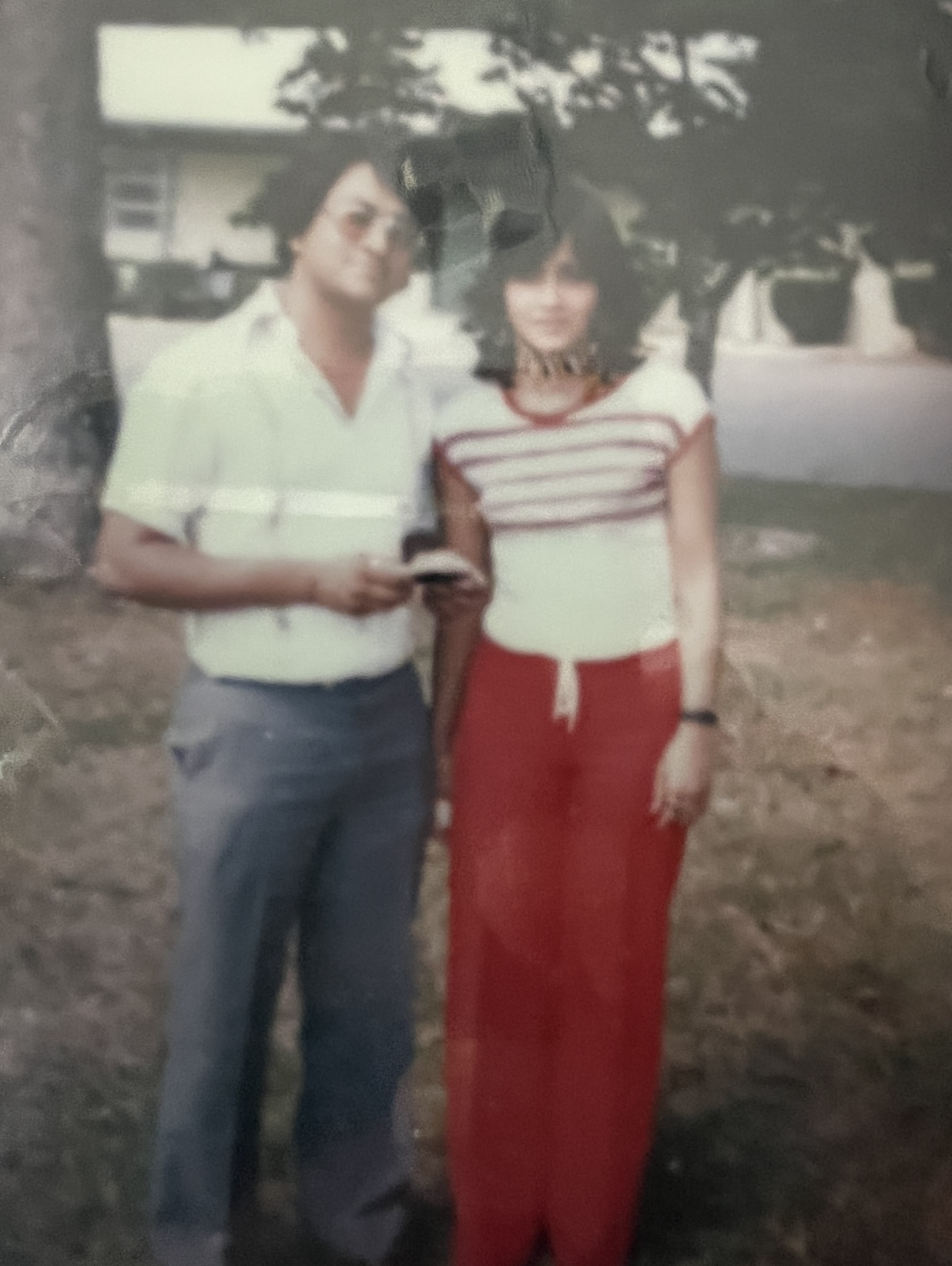
When you speak with Ramesh Gokal, one of the earliest members of AAHOA and a 48-year veteran of the hospitality industry, two things become immediately clear:
He is deeply proud of the immigrant story that built the motel industry and fiercely protective of the truth behind it.
Today, at 79, Gokal is leading a project that may become one of the most significant collective efforts to preserve that history: a museum exhibit at the Tenderloin Museum in San Francisco, focused on the early Indo-American hoteliers who laid the groundwork for what is now one of the most influential ownership groups in American hospitality.
But long before he became the chair of that committee, long before his leadership roles in franchising, long before building a portfolio of 14 hotels, he was a young immigrant who arrived in America by accident.
From South Africa to America
Although many Indian hoteliers came directly from Gujarat, Gokal’s journey took a different path. He was born and raised in South Africa, part of a second-generation Indian community with deep roots across Africa, Fiji, Ceylon, and even Panama.
He did not arrive in the United States seeking the hospitality business.
He didn’t even arrive intending to stay.
He visited the U.S. in 1976 as a tourist, carrying money his family wanted to move out of South Africa as the political climate worsened. The goal was simply to place it somewhere safe.
But everything changed when he stayed with his wife’s cousin, the man who ultimately convinced him that depositing money in an American bank was not enough.
“You’re crazy,” his cousin told him. “Don’t just leave money here. Invest it. Stay.”
And so he did.
He brought his wife and two daughters to join him, and in 1976, they purchased their first property:
a 26-room motel in Charlotte, North Carolina, called the Charlotte Motor Inn.
Learning an Industry From Scratch
Like so many early immigrant owners, Gokal had no background in hospitality.
He was trained as an engineer, but he never sought work in that field in America.
Instead, he learned on the job and through education.
He found resources from the American Hotel & Lodging Association (then AHLA) and started taking home-study courses, ultimately earning the CHA (Certified Hotel Administrator) designation. He later became a licensed real estate broker, selling motels while continuing to own and operate his own.
He remembers the early days vividly. His room rate was $8.00 per night. After cleaning and improving the rooms, he raised it to $8.25, and customers left him over the twenty-five-cent increase.
“That was a different world, a different time,” he said.
But there was never a moment when he wanted to give up or return to South Africa.
“Never,” he said plainly.
Immigration, in his words, means you arrive with the mindset that going back is not an option.
Growing a Career Beyond Ownership
From 1976 to 1995, nearly twenty years, Gokal operated, bought, sold, and eventually built a portfolio of about 14 properties across the Southeast.
But by the mid-1990s, he felt restless.
“I was getting a little bored,” he admitted.
He wanted to be on the leadership side of the industry: not just owning hotels, but shaping the direction of a brand.
A friend connected him to Hospitality Franchise Systems (HFS), the company that later evolved into Wyndham Worldwide.
In 1995, HFS acquired the Knights Inn brand out of bankruptcy and hired Gokal to lead it.
That role launched him into the world of franchising leadership, a space he remained in for decades, later serving as:
President & COO of PeachState Hospitality
Senior Vice President of Lodging & Franchising for Kapoor & Kapoor Consultants
A certified mediator on the International Institute for Conflict Prevention and Resolution’s Panel of Neutrals
Founder of Plan B Solutions, providing strategic transformation, asset management, and mediation expertise
Early Challenges: Discrimination, Banking Barriers, and On-the-Job Learning
Gokal is honest about the early struggles of Indian hoteliers.
There were barriers in franchising, insurance, and banking — many rooted in discrimination and misunderstanding. Much of the first-generation community learned the business “on the job,” often without mentors or institutional support.
These hardships, he emphasized, paved the way for AAHOA’s founding.
“We didn’t focus on our roots or how we started,” he said.
“AAHOA was created because we needed to organize, react, and protect our future.”
And that history is precisely why the new museum exhibit matters so deeply.
Indo-American Hotelier Exhibition: Preserving the Pioneers’ Story
The Tenderloin Museum exhibit, overseen by the Indo-American Hotelier Exhibition Funds Development Committee, began with the work of Author Mahendra K. Doshi's book "Surat to San Francisco: How the Patels from Gujarat Established the Hotel Business in California 1942-1960.", whose book documented the earliest Indian hoteliers, primarily Gujarati immigrants.
Gokal’s committee, which includes members appointed specifically to steward this history, as well as representatives from AHLA and AAHOA leadership, aims to bring these stories into public view.
“The history of the struggles of the earlier pioneers is something that I don’t think is well known,” Gokal said.
“It’s finally documented, and we should honor that. They had challenges and failures, but they persevered and encouraged others. Without that, I don’t think we would be where we are today.”
The exhibit focuses on:
Chronicle the journey from Tenderloin SRO management to nationwide hospitality leadership
Highlight the entrepreneurial spirit that transformed the American hotel industry
Preserve first-person accounts and artifacts from pioneering Indian American hoteliers
Educate visitors on the economic and cultural impact of Indian American business innovation
For Gokal, this legacy is not optional — it is essential.
“Were it not for the persistence and sacrifices of our pioneers, who knows what the American hotel industry would look like today — and would AAHOA even exist?”
Legacy, Reputation, and the Future
When asked what legacy he hopes to leave, Gokal doesn’t talk about titles, awards, or wealth.
He gives a simple answer:
“I just want to leave a good name.”
He believes your reputation takes decades to build and only one poor choice to lose. And at 79, what matters most to him is protecting that name while continuing to support the industry he has served for nearly half a century.
He is also deeply aware that today’s owners face an entirely new set of challenges, from managing rapid growth to navigating staffing shortages, retaining employees, adopting new technologies, and dealing with the rising costs and complexities of franchising, especially for smaller operators.
But just as the pioneers adapted, he believes today’s generation will find its own path forward.
A Life That Mirrors a Community
Ramesh Gokal’s life is not a story of luck or accident.
It is a story of clarity, perseverance, and commitment to a community that built itself from the ground up.
He stayed when he didn’t have to.
He learned what he didn’t know.
He led when the industry needed direction.
And now, he is working to make sure that every pioneer is remembered.
Through the Tenderloin Museum exhibit, he hopes future generations will finally understand what the early immigrants endured and how their sacrifices continue to shape the hospitality industry today.
Because, as he put it best:
“Without them, we would not be here.”